
I’ve read through hundreds of lead magnet examples while building this list, and here’s the one thing almost every “ultimate guide to lead magnets” gets wrong: they show you the idea and stop there. A lead magnet examples list is only useful if it also tells you what happens after someone downloads the thing.
So this guide does both. You’ll get 70+ real lead magnet ideas with an explanation of what each one is and why it works, a breakdown of what makes a good lead magnet, and a look at what to do with a lead the moment they hand over their email. Because collecting an email address is easy. Turning it into a customer is where most businesses actually get stuck.
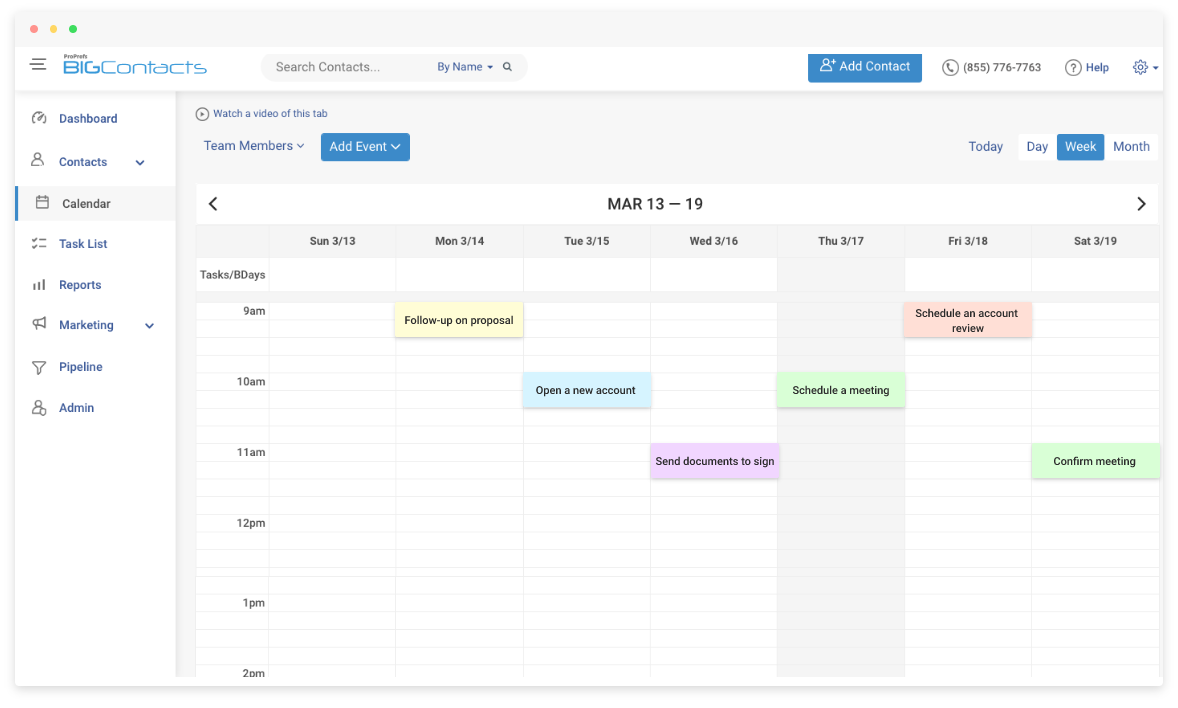
If you’re managing this process with sticky notes, a shared spreadsheet, or an inbox folder labeled “leads – follow up,” you’re not alone. That’s exactly why tools like BIGContacts exist. It’s a simple CRM built around lead capturing that keeps every follow-up organized in one place, so a good lead magnet doesn’t go to waste.
What Is A Lead Magnet?
A lead magnet is a free resource, discount, or tool you offer a website visitor in exchange for their contact information. It gives the visitor something useful right away and gives you a way to stay in touch after they leave your site.
Lead magnets work because they remove the biggest objection to signing up for anything: “What’s in it for me right now?” A good lead magnet answers that question in one glance. It could be a checklist, a discount code, a free trial, or a short video. What matters isn’t the format. It’s whether the reader gets real value in exchange for their email.
Why Do Lead Magnets Actually Work?
Lead magnets work because they replace a vague ask (“subscribe to our newsletter”) with a specific, immediate reward. People are far more willing to hand over their email when they know exactly what they’re getting in return, and when the offer feels built for them rather than for everyone.
That last part matters more than most guides admit. A study by McKinsey in 2021 shows that companies who excel at personalizing their marketing generate 40% more revenue than companies that don’t, and the same logic applies to a single lead magnet. A generic “sign up for updates” offer converts worse than a specific one aimed at a specific reader.
The flip side is just as telling. A study by Gartner in 2025 shows that 73% of B2B buyers actively avoid suppliers who send them irrelevant outreach. A lead magnet is your first impression, and a broad, unfocused one can do more harm than no lead magnet at all.
Here’s the honest version of why most businesses adopt lead magnets anyway:
- Website traffic without a capture mechanism is a leaky bucket. People visit, read, and leave with no way for you to reach them again.
- Cold outreach lists convert worse than opt-in lists because the person hasn’t shown interest yet.
- A relevant lead magnet pre-qualifies the lead. Someone who downloads a “CRM buying checklist” is a warmer type of lead than someone who just visited your homepage.
Start Turning Website Visitors Into Real Contacts
See how BIGContacts captures every lead magnet signup automatically, no spreadsheets required
What Are The Best Lead Magnet Examples By Category?
The best lead magnet examples fall into a handful of proven formats: checklists, templates, quizzes, calculators, guides, webinars, and trials. Below are 70+ real lead magnet ideas and examples, organized by type, with a plain explanation of what each one is and why it converts.
Checklist And Lead Magnet Checklist Examples
A lead magnet checklist works well because it’s fast to scan and immediately usable, which is why checklists consistently outperform longer content formats in opt-in rate.
- New Customer Onboarding Checklist – Walks a new customer through their first week with your product so they don’t get stuck and churn early.
- Website Launch Checklist – Covers every step from domain setup to SEO basics, aimed at business owners about to launch or relaunch a site.
- Social Media Content Checklist – Gives a pre-post checklist (copy, hashtags, image size, CTA) so marketers stop second-guessing every post.
- CRM Buying Checklist – A 10-question list of what to ask a vendor before signing up, useful for software buyers comparing tools.
- Email Deliverability Checklist – Covers authentication, list hygiene, and subject line basics so emails actually land in the inbox.
- Small Business Tax Prep Checklist – Lists documents and deadlines small business owners need before filing, timed around tax season.
- Sales Call Prep Checklist – A pre-call routine covering research, objections, and next steps for reps preparing for a discovery call.
- Content Audit Checklist – Helps marketers review old blog posts for outdated stats, broken links, and missed keyword opportunities.
- Product Launch Checklist – Covers marketing, support, and sales readiness tasks in the weeks leading up to a launch date.
- Year-End Business Review Checklist – A structured way for small business owners to review the year and set goals for the next one.
Template And Toolkit Lead Magnet Examples
Templates work as lead magnets because they save the reader time on something they’d otherwise build from scratch, and time saved is one of the most persuasive offers you can make.
- Follow-Up Email Templates (5 Or 10 Pack) – Ready-to-send emails for common moments like no-response leads or post-demo follow-ups.
- Sales Pipeline Spreadsheet Template – A pre-built spreadsheet for tracking deals by stage, useful for teams not yet ready for a full CRM.
- Cold Outreach Script Templates – Scripts for calls or emails that reps can adapt instead of writing outreach from a blank page.
- Social Media Content Calendar Template – A monthly planning grid so marketers can batch content instead of posting reactively.
- Proposal Or Quote Template – A professional, fillable template that helps service businesses send quotes faster.
- Customer Onboarding Email Sequence Template – Pre-written emails covering the first 30 days of a customer relationship.
- Meeting Agenda Template – A simple structure for keeping sales or client meetings on time and outcome-focused.
- Invoice Template Pack – Ready-made, branded invoice formats for freelancers and small business owners.
- Sop (Standard Operating Procedure) Template – A fill-in-the-blank format for documenting repeatable business processes.
- Contact Segmentation Template – A framework for grouping contacts by industry, deal size, or lifecycle stage before running campaigns.
Ebook And Guide Lead Magnet Examples
Ebooks and guides work best when they’re built around one specific outcome rather than a broad topic, since narrower guides get finished and referenced more often than long ones.
- “The Small Business Guide To Choosing A Crm” – Walks a first-time buyer through evaluation criteria without pushing a specific product.
- Industry-Specific Buyer’s Guide – A guide tailored to one vertical (like real estate or healthcare) instead of a generic audience.
- Beginner’s Guide To A Tool Or Process – Breaks down something your audience struggles with into plain steps a beginner can follow.
- Compiled Best-Of Blog Post Collection – Bundles your best-performing posts on one topic into a single downloadable PDF.
- Step-By-Step How-To Guide – Solves one common task completely, from start to finish, with screenshots or examples.
- Comparison Guide (Option A Vs Option B Vs Option C) – Helps a reader evaluate a decision they’re already trying to make.
- Myths Vs Facts Guide – Corrects common misconceptions in your industry, which builds trust and positions you as the honest source.
- Annual Trends Report – Summarizes what’s changing in your niche for the year ahead, often shared and linked to by other sites.
- Case Study Compilation – Groups several customer wins into one document so a prospect can see proof across different use cases.
- Glossary Of Industry Terms – Defines the jargon a newcomer to your space needs to understand before they can evaluate solutions.
Quiz And Assessment Lead Magnet Examples
Quizzes convert well because they feel personal rather than generic, and the reader gets a result specific to them instead of general advice that may not apply.
- “Which [Product Type] Is Right For You?” Quiz – Recommends a specific product or plan based on the reader’s answers.
- Business Health Or Readiness Assessment – Scores a business across a few categories and flags where it’s falling behind.
- Skill-Level Assessment – Places the reader at beginner, intermediate, or advanced, then recommends resources for their level.
- “How Organized Is Your Contact List?” Self-Scoring Quiz – A short quiz that reveals gaps in how a business manages its contacts.
- Personality Or Working-Style Quiz – Ties a fun personality result back to a relevant product or content recommendation.
- Budget Calculator Quiz – Asks a few questions, then recommends a pricing tier or plan based on the answers.
- Risk Assessment Quiz – Flags what could go wrong in a process (compliance, security, data loss) based on current habits.
- Compatibility Quiz – Matches the reader to the right service or software based on their specific situation.
- “What’s Slowing Down Your Sales Process?” Diagnostic Quiz – Points to specific bottlenecks like slow follow-up or poor lead tracking.
- Readiness Quiz Before A Big Purchase – Helps the reader decide if now is the right time to buy, which builds trust before the pitch.
Calculator And Tool Lead Magnet Examples
Calculators and interactive tools work because they give an instant, personalized answer instead of general information the reader has to interpret themselves.
- ROI Calculator – Shows a prospect the estimated return from switching to your product, using their own numbers.
- Pricing Or Cost Estimator – Gives a ballpark cost for a service, which reduces hesitation from buyers scared of hidden fees.
- Savings Calculator – Compares current spend against a new tool or process to show time or money saved.
- Email List Growth Calculator – Projects list growth based on current traffic and conversion rate, encouraging action.
- Break-Even Calculator – Helps a business figure out how long until a new product or service pays for itself.
- Lead Value Calculator – Estimates what a single lead is worth to the business, which justifies investing in better lead capture.
- Free CRM Cost Comparison Tool – Lets a buyer compare CRM plans side by side using their own team size and needs.
- Content Marketing Roi Estimator – Shows the estimated value of consistent blogging or content investment over time.
- Team Productivity Calculator – Estimates hours saved by automating a manual process, which appeals to operations-focused buyers.
- Customer Lifetime Value Calculator – Helps a business understand how much a customer is worth over the full relationship, not just one sale.
Webinar And Video Lead Magnet Examples
Webinars and short videos work well for topics that are easier to explain out loud than to read, and they build more trust in a shorter time than most written formats.
- Live “How To” Webinar With Q&A – Teaches one skill live and lets attendees ask questions in real time, which builds trust fast.
- Recorded Product Walkthrough – Shows exactly how a product works before someone commits to a trial or demo.
- Expert Panel Discussion Recording – Features a few voices on one topic, which adds credibility beyond your own brand.
- Behind-The-Scenes Video Series – Shows how your product or service actually gets built or delivered, which builds trust through transparency.
- Short Video Course (3 To 5 Lessons) – Breaks a skill into short, watchable lessons instead of one long recording.
- Case Study Video Interview – A real customer explaining their results in their own words, which converts better than written case studies for some audiences.
- “Watch Us Solve This Problem Live” Screen Recording – Shows a real workflow being solved step by step, useful for software products.
- Free Masterclass On A Specific Skill – A longer, in-depth session positioned as a one-time value-packed event.
- Onboarding Video Series – Helps new users get comfortable with a product before they ever contact support.
- Annual Predictions Video Roundup – Shares forward-looking commentary on where the industry is headed, often shared on social media.
Discount And Trial Lead Magnet Examples
Discounts and trials work best for businesses with a product ready to sell today, since they attract visitors who are already close to a buying decision.
- First-Purchase Discount Code – A simple percentage-off offer in exchange for an email, common in ecommerce.
- Free Shipping Code – Removes a common purchase barrier, especially for first-time online shoppers.
- Free Trial Of Your Paid Product – Lets a prospect test the actual product before committing to a purchase.
- Freemium Plan Or Forever-Free Tier – Gives ongoing access to a limited version, which keeps the lead warm indefinitely.
- Bundle Discount For Signing Up – Offers a discount on multiple items or plans together, increasing average order value.
- Early Access To A New Feature – Rewards signups with first access to something not yet publicly available.
- Loyalty Program Signup Bonus – Gives new members an immediate perk for joining, encouraging repeat engagement.
- Referral Bonus For Existing Customers – Turns current customers into a lead source by rewarding them for referrals.
- Free Consultation Or Audit Call – Offers a short, no-obligation call that also functions as a soft sales conversation.
- Extended Trial Period For Early Subscribers – Gives early signups extra time to evaluate the product, reducing pressure to decide fast.
Lead Magnet Ideas For B2B And SaaS Companies
Good lead magnet ideas for B2B and SaaS companies focus on saving the buyer research time or proving ROI, since B2B buyers usually need to justify a purchase internally before they commit.
- Vendor Comparison Spreadsheet – Lays out features and pricing across multiple vendors so a buyer doesn’t have to build the comparison themselves.
- Implementation Timeline Template – Shows what onboarding actually looks like week by week, which reduces fear of a long rollout.
- Internal “Business Case” Template – Helps a champion pitch a new tool to their own leadership using pre-built talking points.
- Industry Benchmark Report – Shares performance data for the buyer’s industry so they can see where they stand.
- Free Crm Migration Checklist – Walks a buyer through moving contacts and data from their old system without losing anything.
Lead Magnet Ideas For Local And Service Businesses
Good lead magnet ideas for local and service businesses tend to work best when they solve a scheduling, pricing, or trust problem, since those are the top reasons local customers hesitate to book.
- Free Estimate Or Quote Calculator – Gives a rough price range instantly, which removes the biggest hesitation before someone calls for a quote.
- “What To Ask Before You Hire A [Service Provider]” Checklist – Builds trust by helping the reader vet providers, including yours, based on real criteria.
Start Growing Your Email List Without The Manual Follow-Up
Discover BIGContacts’ contact tagging and automated email sequences
How Can A CRM Help You Turn Downloads Into Customers?
A CRM helps you turn lead magnet downloads into customers by automatically capturing every new contact from your opt-in form, tracking what they downloaded, and reminding you when to follow up. Without this step, most leads go cold within days.
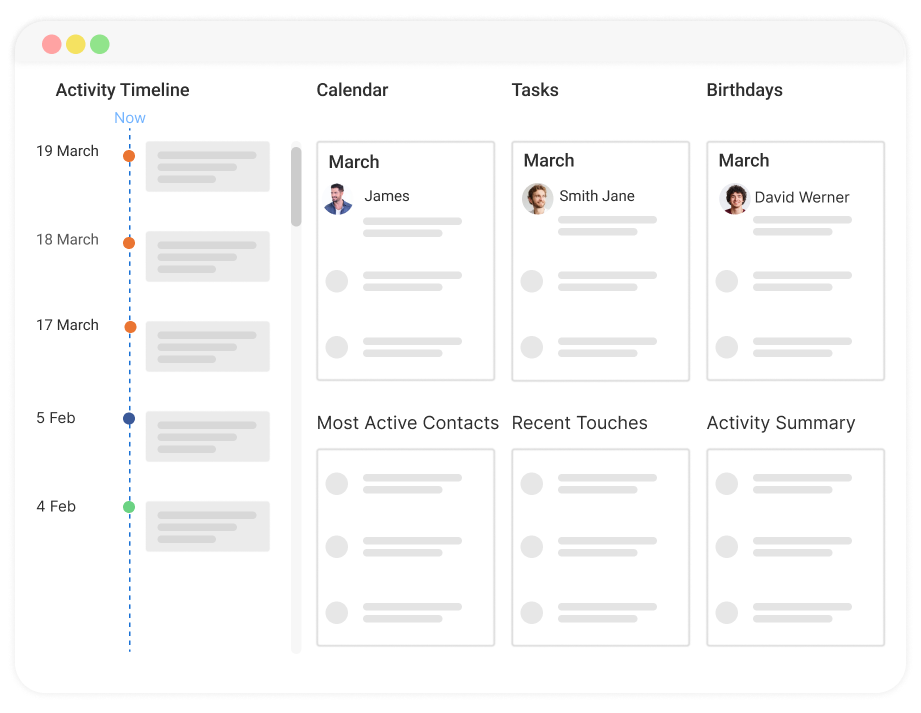
Here’s the problem-solution breakdown based on what actually happens after a lead magnet goes live:
- Problem: Leads download the resource, and their email sits in a spreadsheet nobody checks. Solution: A CRM captures the contact automatically the moment the form is submitted.
- Problem: You don’t know which lead magnet brought in which contact. Solution: Custom fields and tags let you segment contacts by the offer they downloaded, similar to how lead scoring prioritizes contacts by fit and intent.
- Problem: Follow-up happens inconsistently or not at all. Solution: Automated email drip campaigns and task reminders keep every lead on a schedule.
- Problem: Multiple team members are managing outreach with no shared record. Solution: A centralized lead tracker shows every email, call, and note in one place.
This is really just lead nurturing applied to the moment right after opt-in, when interest is highest and easiest to lose.
BIGContacts by ProProfs is a simple, affordable CRM built for growing small businesses, with contact management, email marketing, task automation, and sales pipeline tracking in one place. It connects to your website forms so every lead magnet signup lands directly in your contact list, tagged and ready for follow-up, instead of sitting untouched in an inbox.
How Does A Lead Magnet Compare To Other Lead Generation Methods?
A lead magnet converts cold website traffic into a warm, contactable lead, while methods like cold email or paid ads generate outreach lists that haven’t shown interest yet. Lead magnets typically cost less per lead and produce higher-quality contacts over time.
| Method | Cost Per Lead | Lead Quality | Time to Set Up |
| Lead magnet on your website | Low, mostly your time | High, the person opted in | Days |
| Cold email outreach | Low to medium | Lower, no prior interest | Days |
| Paid social or search ads | Medium to high | Medium, depends on targeting | Hours |
| Trade show or event | High | High, but small volume | Weeks |
| Referral program | Low | High | Ongoing |
Lead magnets and paid ads work well together too. Many businesses run ads that point directly to a lead magnet landing page instead of a generic homepage, which usually improves conversion rate since the visitor knows exactly what they’re getting.
If you’re comparing tools to manage this end to end, this roundup of lead generation tools covers options beyond just the lead magnet itself.
What Mistakes Should You Avoid With Lead Magnets?
The most common lead magnet mistakes are making the offer too broad, asking for too much information upfront, and having no follow-up plan once someone downloads it. Each of these directly lowers either your opt-in rate or your conversion to paying customer.
- Too broad a topic. “Everything About Marketing” attracts fewer signups than “5 Subject Lines That Get More Opens.”
- Too many form fields. Every additional field beyond name and email reduces completion rate.
- No connection to what you sell. A generic freebie unrelated to your product brings in low-intent leads that are hard to move through lead qualification.
- Delayed delivery. Making someone wait for their download breaks trust immediately.
- No follow-up system. This is the single biggest reason lead magnets underperform. The offer worked. Nobody followed up.
Start Growing Sales With A CRM Your Team Will Delightfully Use
Discover BIGContacts’ 360° reporting and lead management features
Start Turning More Website Visitors Into Customers
A good lead magnet is one of the cheapest, fastest ways to grow your contact list. The formats above work across almost any business type, whether you’re running a SaaS company, a local service business, or a solo consulting practice. Pick one problem your audience keeps asking about, and build the smallest possible resource that solves it completely.
But building the lead magnet is step one, not the finish line. The real work starts the moment someone hands over their email. That’s when a clear follow-up process decides whether your new lead becomes a customer or just another unread welcome email.
For teams looking for something simple to set this up without hours of training or a big budget, a tool like BIGContacts makes it easy to capture leads from your website forms, tag them by the offer they downloaded, and automate the follow-up emails and reminders that turn interest into a sale. You can start with the forever-free plan and add features as your list grows.
Frequently Asked Questions
What is the difference between a lead magnet and a freebie?
A freebie is any free item, while a lead magnet specifically requires the visitor to provide contact information in exchange. Every lead magnet is a freebie, but not every freebie is a lead magnet.
How long should a lead magnet be?
Most effective lead magnets take under 10 minutes to consume. Checklists and templates often work in under 2 minutes, while short guides or videos can run 10 to 15 minutes without losing engagement.
Is a free trial considered a lead magnet?
Yes, a free trial is a lead magnet because it exchanges access to your product for the visitor's contact details. It works especially well for software businesses since it lets people test the product before buying.
How much should a lead magnet cost to create?
Most lead magnets cost little beyond your time, since checklists, templates, and short guides can be built with tools you already have. Interactive quizzes or calculators may need a small monthly tool subscription.
Do lead magnets still work in 2026?
Yes, lead magnets remain one of the most cost-effective ways to grow an email list, especially when the offer feels built for the specific reader rather than a generic audience. A study by McKinsey in 2021 shows personalized, relevant offers consistently outperform generic ones on revenue impact.
Should I use one lead magnet or several?
Most growing businesses benefit from 3 to 5 lead magnets targeted at different pages or audience segments, rather than one generic offer for the entire site. Each page's lead magnet should match what the visitor is already reading about.
What is the best lead magnet for a small business with no design skills?
A simple checklist or template built in a basic document tool works well and requires no design skills. Focus on the usefulness of the content rather than visual polish, since that's what drives conversions.
Do I need landing page software to run a lead magnet?
No, a simple form on an existing page can work, though a dedicated landing page usually converts better since it removes distractions. Start simple and upgrade to dedicated landing pages once you see which offers perform best.
How do I know if my lead magnet is working?
Track your opt-in rate (visitors who sign up divided by total visitors) and how many of those leads eventually become customers. A high opt-in rate with low customer conversion usually means your follow-up process needs work, which is where a CRM like BIGContacts helps.
Can I use the same lead magnet on multiple pages?
Yes, but it converts best when it's closely related to the content on that specific page. A generic lead magnet spread across unrelated pages typically converts lower than page-specific offers.
What happens after someone downloads my lead magnet?
The contact should be automatically added to your CRM or email list, tagged with which offer they downloaded, and entered into a follow-up sequence. Skipping this step is the most common reason lead magnets fail to generate sales.
Is email still the best way to deliver a lead magnet?
Yes, email remains the most reliable delivery method since it also gives you a direct communication channel for future follow-up. Text message delivery is growing for time-sensitive offers like discount codes, but email remains the default.
FREE. All Features. FOREVER!
Try our Forever FREE account with all premium features!